

From Our Blog
Real advice on building, renovating, and everything in between.

Custom Home or Spec Home? Here's How to Decide
We break down what it looks like to purchase a spec home versus a custom home, and the pros and cons when it comes to selections, resale value, and timelines."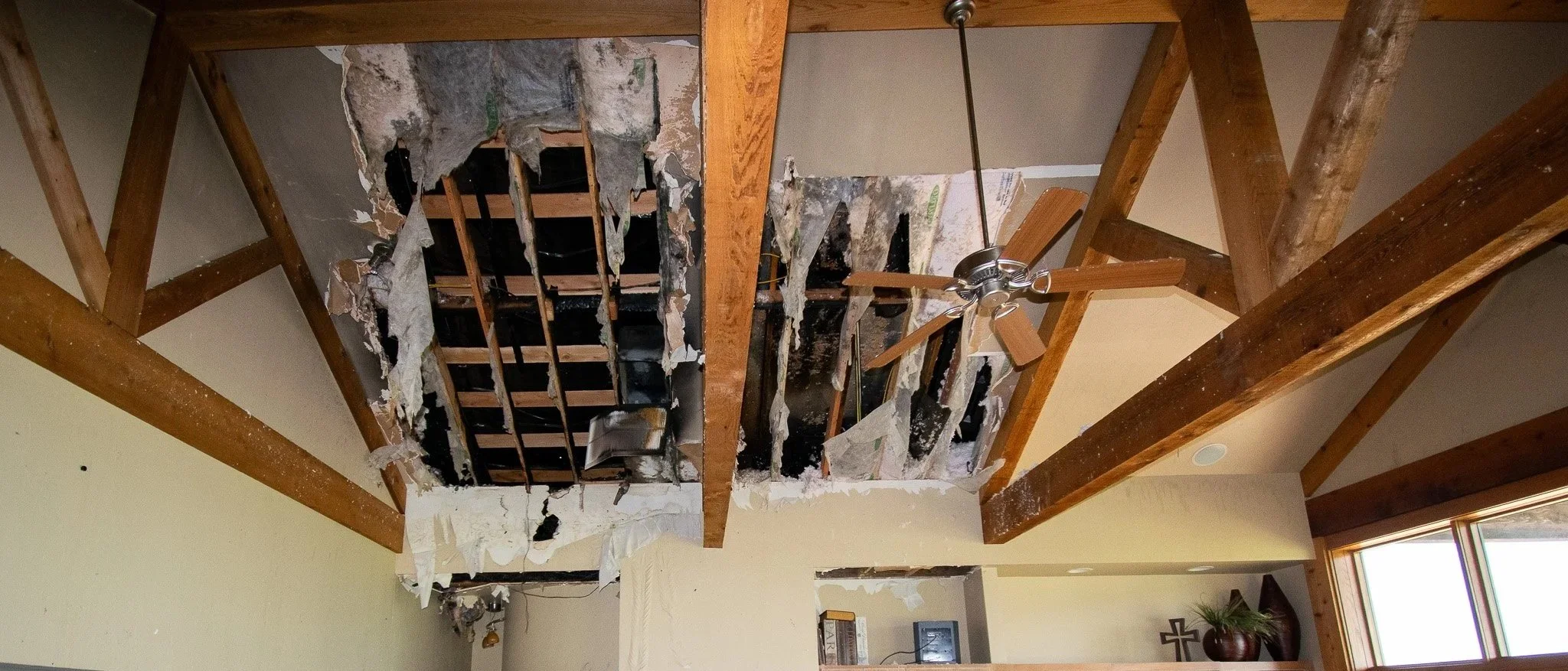
How to Navigate the Insurance Restoration Process
We know natural disasters can be devastating. We also know how difficult it is to navigate the insurance process, so we created a step-by-step guide.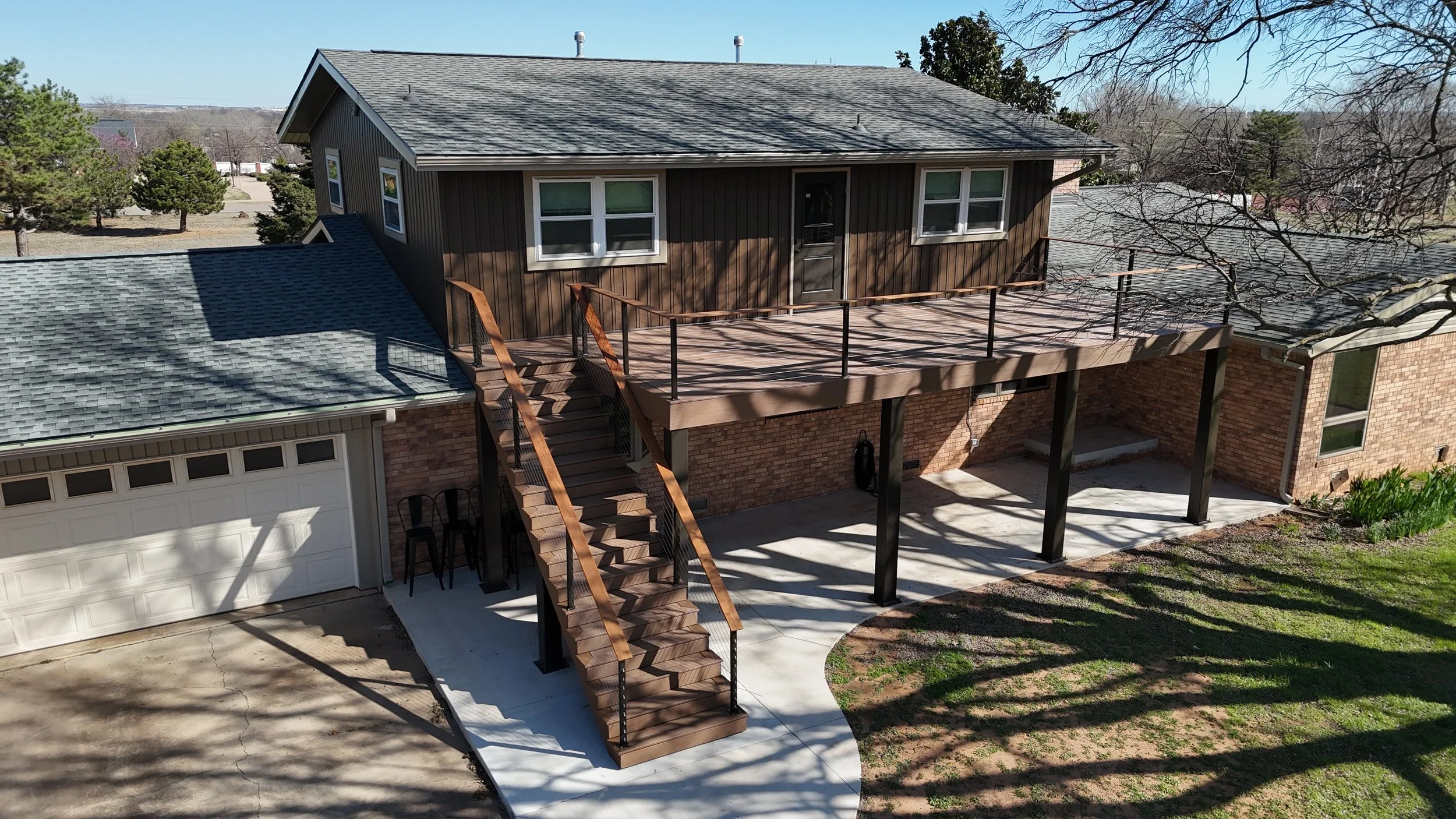
The Best Time of Year for an Exterior Renovation in Stillwater
Knowing when to start an exterior renovation can make all the difference in how smoothly your project runs. 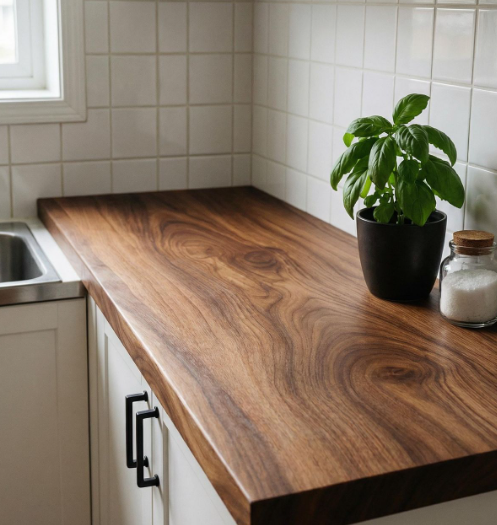
How to clean your butcher block
Learn about butcher block through peer-reviewed research.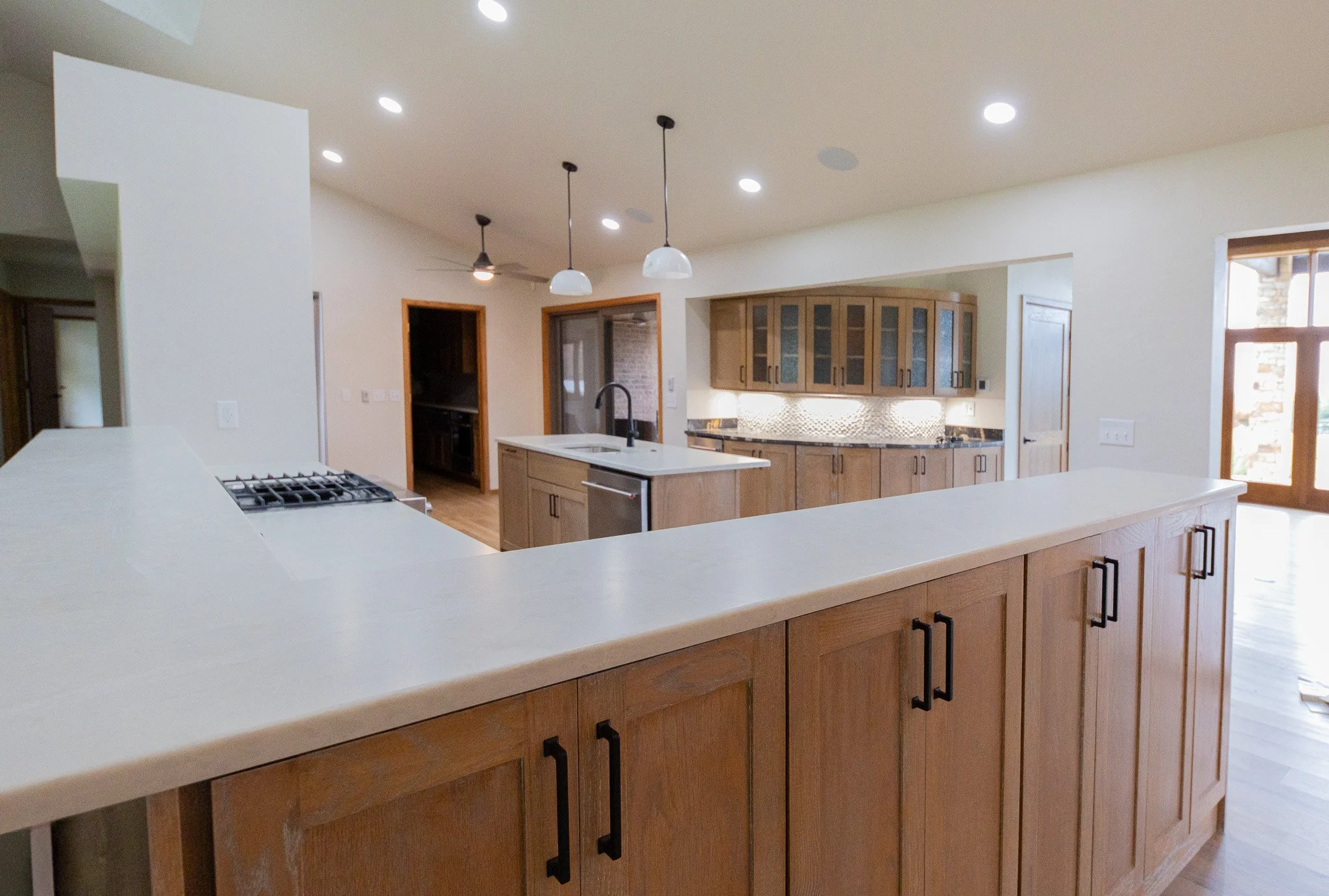
Top 5 Remodel Projects That Add the Most Value in Stillwater Homes
Learn When the Best Time for an Exterior Renovation Is.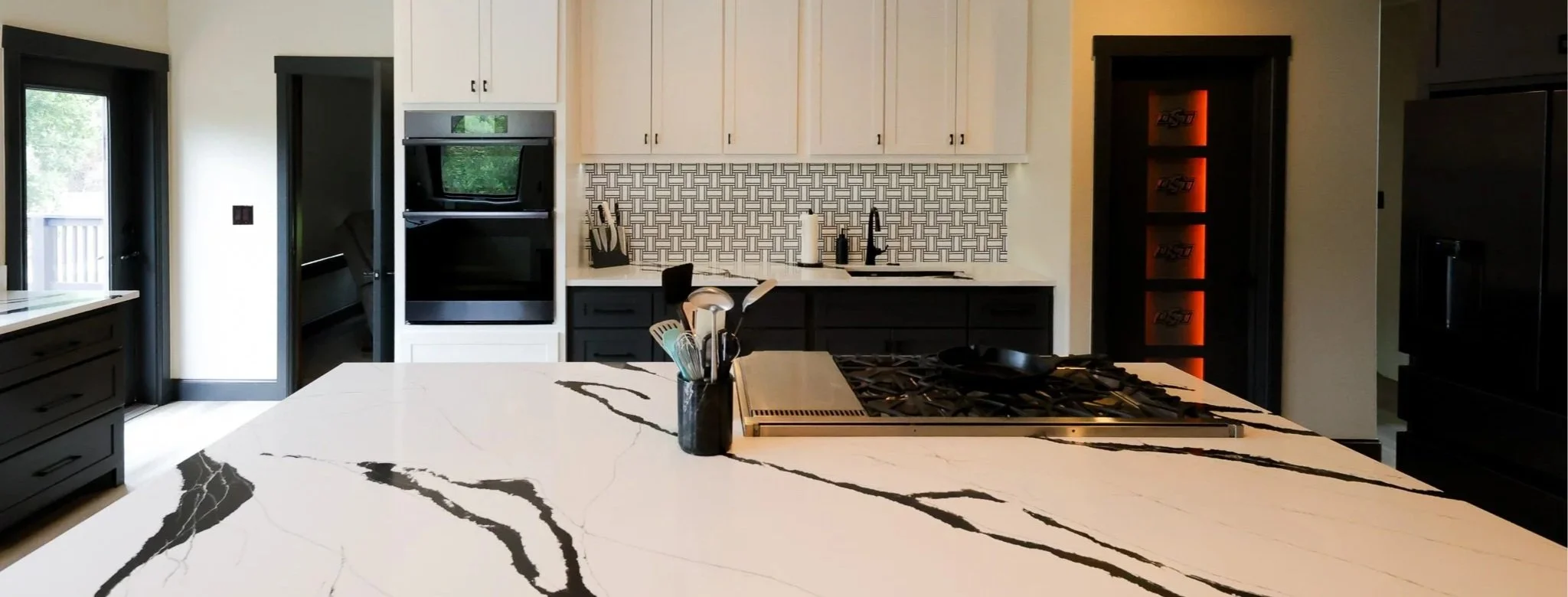
Which Stone Countertop Is Right For You?
Learn all about granite, marble, and quartz. Compare them side by side, including how each material is made, durability, cleaning, maintenance, and cost.Custom Home vs. Spec Home: What Is the Difference?
Jul 8 2026
If you are thinking about building or buying a new home, you have probably heard both terms. Custom home. Spec home. While they are both new construction, the process and the experience are completely different. Here is what you need to know before you decide which route is right for you.
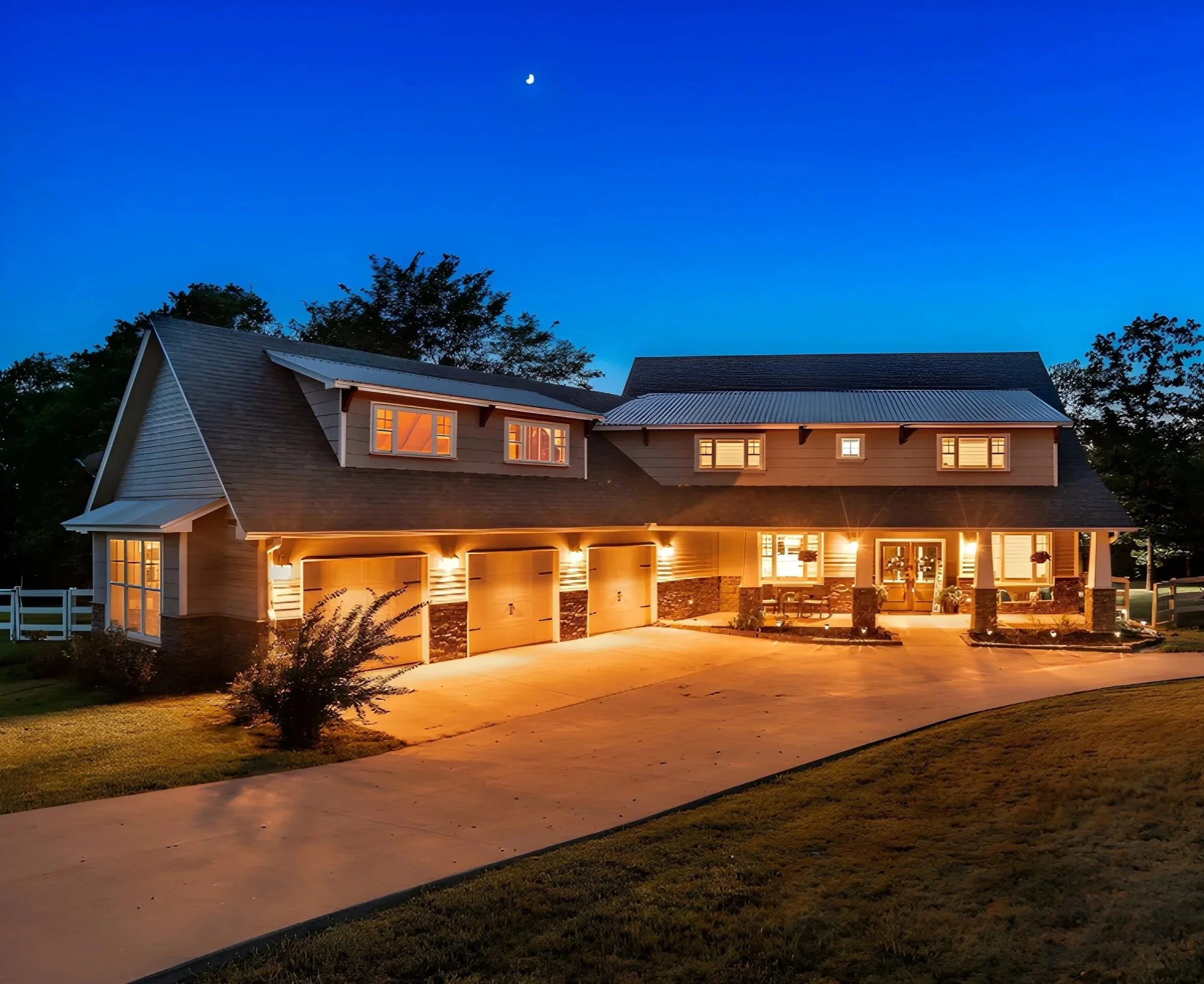
What Is a Custom Home?
A custom home is exactly what it sounds like. It is a home built specifically for you, on a lot you own or purchase, to a layout and design you chose from the start.
You make every decision, from the floor plan and room sizes down to the window trim and cabinet hardware. All of it is determined by you and your contractor together. Nothing about the home existed before you were involved.
At McKee, we handle the entire process in-house. From the first drawing to the final walkthrough, everything runs through one team. Our draftsman develops your plans from scratch; we manage the selection process alongside you, and our project director handles the build from the ground up. You are not coordinating between a designer, a general contractor, and three different subs. McKee is one call, one team, start to finish.
Custom homes take longer and require more involvement from you. But the result is a home that fits your life, your property, and your preferences in a way a spec home simply cannot.

What Is a Spec Home?
A speculative, or “spec”, home is a home a builder constructs without a particular buyer in mind. Most of the time, you are not looking at a single home.
Spec homes are typically part of a larger subdivision or neighborhood that the builder is developing all at once. They buy the land, plant the lots, and build multiple homes on the same timeline, often with the same floor plans and finishes repeated throughout the neighborhood.
By the time you see the home, most of the decisions have already been made. Think of it as buying a brand-new construction home off the shelf. Spec homes are built to appeal to a broad range of buyers, which means you will typically find popular floor plans, neutral colors, and standard-grade materials. Some builders offer limited customization windows early in the build, but typically, once framing is up, the decisions have been made.
Spec homes move faster and require far less involvement from the buyer. The result is a home that was designed for everyone, not you.
Key Differences at a Glance
Timeline
When it comes to the timeline, the difference is significant.
A spec home typically takes 6 to 12 months to build, but that time happens before you are ever involved. By the time it hits the market, the home is finished or nearly finished, and you can be in it in as little as 30 to 45 days after closing.
A custom home runs 12 to 18 months from start to finish, covering design, permitting, and the build itself. You are involved the entire way, but you are also committing to a longer road before you get your keys.
Cost
Spec homes come with a set price, and that can feel straightforward at first. But it is worth asking what is and is not included. Landscaping, window treatments, and fencing are not always part of the purchase price. Another thing about spec homes worth knowing is that the appliances, fixtures, and finishes are often selected with the builder's margin in mind, not necessarily for quality or longevity. If the subdivision carries an HOA, that is an ongoing cost that follows you for as long as you own the home.
Custom homes are built to a budget you establish with your contractor, and while the final cost depends on the choices you make along the way, you are in control of those choices. More square footage, high-end finishes, and complex designs all affect the number, but so does scaling back where it does not matter to you and investing more where it does. With a custom home, you decide where your money goes instead of paying for finishes or space someone else picked.
Selections
With a spec home, most of the choices are already made. Some builders will allow you to make selections on things like cabinet colors or flooring if you get in early enough in the build, but that opportunity closes fast, and the options are typically limited to what the builder has already pre-selected.
With a custom home, every detail is yours to decide from the start—and there are more details than most people expect. The selection process alone is one of the biggest sources of delays on a custom build. Choosing every finish, fixture, and material in a house is a real-time commitment, and when those decisions get pushed off, the project waits. Getting ahead of that process early makes a significant difference. At McKee, we know that it can feel like a lot, which is why we get your selections and popular options in front of you early. Those options give you a solid starting point, but you're never locked in. You're also welcome to browse our vendors directly, visit showrooms, and find exactly what you're looking for.
Location
Spec homes exist in established subdivisions or on lots the builder already owns. You are moving into a neighborhood that was already planned out for you.
A custom home can be built wherever you choose. If you value space, privacy, building on your own land changes everything. You pick the exact location, the lot size, and how close you are to the people next door.
Resale
Both can hold value well, but it is worth keeping in mind that not all new construction is created equal.
With spec homes, timelines can be tight, and volume is often the priority, which can affect the quality of the finished product. That said, spec homes are usually built around current trends, so resale value tends to hold up well if sold within a reasonable timeline, as long as the style is still popular and the home holds up well.
A custom home built the right way, with the right contractor, holds its value because the work behind the walls matches what you see on the surface. Whether you are building your forever home or something you plan to enjoy for a few years before moving on, that quality carries through when it is time to sell. That said, resale can vary depending on how unique the selections are. A custom home with more universal choices will usually appeal to a wider range of buyers, while one with bolder or more personalized selections might take a little longer to find the right buyer, but that buyer is often willing to pay for exactly what they're looking for.
If you need to move quickly, have a tight timeline, or want a straightforward buying experience, a spec home may be the better fit.
If you have a specific vision for how you want to live and you want a home that is designed around your needs from the ground up, a custom home is worth the process.
Working With a General Contractor in Stillwater, Oklahoma
At McKee, we build custom homes throughout Stillwater, Oklahoma, and the surrounding area. We work directly with homeowners, managing every phase of the build so you are not left coordinating it on your own.
If you are exploring whether a custom home makes sense for your situation, we are happy to talk through the process, the timeline, and what it typically costs to build in this area. Reach out to our team to get started.
How to Navigate the Insurance Restoration Process: A Step-by-Step Guide

May 7 2026
Living in Oklahoma means that within minutes, severe weather can undo what took years to build, leaving homes and businesses shattered by wind, hail, or fire. At McKee, we've seen firsthand how overwhelming the aftermath can be. Having a trusted, experienced general contractor on your side can make all the difference in not only the quality of your restoration but also your experience. At McKee, we help your recovery move faster, smoother, and with far less stress.
To help you feel prepared, here's a step-by-step guide to navigating the restoration process after storm damage:
1. Ensure Safety and Address Immediate Threats
If you find yourself in the middle of an emergency, your safety and the safety of your family are paramount. Contact emergency services (911) immediately if there is any risk to life or safety. Once your family is safe, walk through your home and record a video of the damage and personal belongings before anything is moved, cleaned up, or repaired - but only if it is safe to do so.
Pipe Burst / Water Damage: Immediately turn off your main water supply to prevent further damage. Clean up any water you can and circulate air if possible.
Fire Damage: Do not re-enter until the fire department has declared it safe, even if the fire appears to be out. Once safe, open windows to circulate air.
Storm / Wind Damage: Stay away from downed power lines and avoid entering any structurally compromised areas. If safe to do so, clean up broken glass and clear a path.
2. Call Us
Before you call your insurance company, call us. Our team will conduct a thorough damage assessment and document all damage with photos, videos, and detailed notes before anything is touched. This professional documentation strengthens your claim significantly. If needed, we can handle emergency mitigation work (tarping, boarding, securing the structure) right away and document it properly, so your insurer reimburses those costs under your policy.
3. Call Your Insurance Company
Call the claim number on your policy (or their website) or your insurance agent as soon as possible. Most insurers have 24/7 claim hotlines. Be ready to provide your policy number, the date, the cause of the damage, and a general description of the loss.
4. Sign an Authorization To Repair (ATR)
Before we move forward with estimates and negotiations, we'll have you sign an Authorization to Repair. This is a standard document that formally authorizes us to communicate and negotiate with your insurance company directly on your behalf. It protects you, keeps things moving efficiently, to get you the best possible outcome - without the stress of constant follow-ups. From initial estimate to final resolution, we keep you informed every step of the way. We believe in relentless communication, and we commit to never leaving you wondering about the status of your claim. Every update, decision, and development will be communicated to you.
5. We Will Negotiate For You
Once you've filed your claim, we're here for you every step of the way. We'll meet the adjuster with you on-site, communicate directly with your insurance company, keep detailed records of every conversation, document, and estimate, and make sure nothing falls through the cracks. In many cases, rather than preparing their own estimate, the adjuster will ask us to prepare one on your behalf, ensuring every bit of damage is properly documented and accounted for.
Insurance companies often make low initial offers — we'll review any settlement against our estimate and negotiate on your behalf to ensure you're fairly compensated. You'll always have full visibility into the process and the final say on any decisions. Our goal is simple: handle the heavy lifting, cut through the insurance jargon, and make the entire experience as smooth and stress-free as possible so you can focus on getting back to normal.
6. Begin Repairs
Restoring your home or business starts with ordering materials and completing work such as roofing, structural repairs, and interior restoration. We will manage crews, coordinate timelines, and keep you informed every step of the way.
As work progresses, it's not uncommon to discover additional damage that wasn't visible during the initial inspection. For example, if the original scope of work included removing flooring and drywall, but we uncover damaged framing underneath, we don't just stop there. We document the additional damage and submit what's called a supplement to your insurance company. A supplement is simply a request to update your claim to include newly discovered damage, ensuring that everything affected gets properly covered and replaced. We handle this process on your behalf so that nothing gets overlooked and you aren't left covering costs that should rightfully be part of your claim.
7. Final Walk-Through and Completion
Once all repairs are complete, we conduct a thorough final walk-through with both our internal team and the customer. Together, we verify that every aspect of the work meets our quality standards and that your home/business has been fully restored.
Once you're satisfied and give your approval, we'll help you finalize any remaining insurance paperwork, so you can move forward with peace of mind.
While storms are unpredictable, having a clear plan can make all the difference in how quickly and confidently you recover. Working with an experienced contractor can help simplify the insurance process, ensure repairs are completed properly, and reduce stress during an already difficult time. If your home or business experiences storm damage, McKee is here to guide you through every step of the restoration process.
Why Work With McKee?
✅ We know insurance claims inside and out
✅ We protect you from lowball settlements
✅ One point of contact from disaster to done
How To Clean Your Butcher Block
Jun 3 2026
Whether you're designing or renovating your kitchen, the right countertop can make or break the space. Beyond aesthetics, countertop materials differ significantly in their physical and chemical properties. Popular opinion and marketing often paint certain materials as indestructible or effortless to maintain, but peer-reviewed research tells a bigger story. Our goal is simple: to help you make an informed decision based on evidence. When it comes to a surface you will use every single day, you deserve to know what the research says.
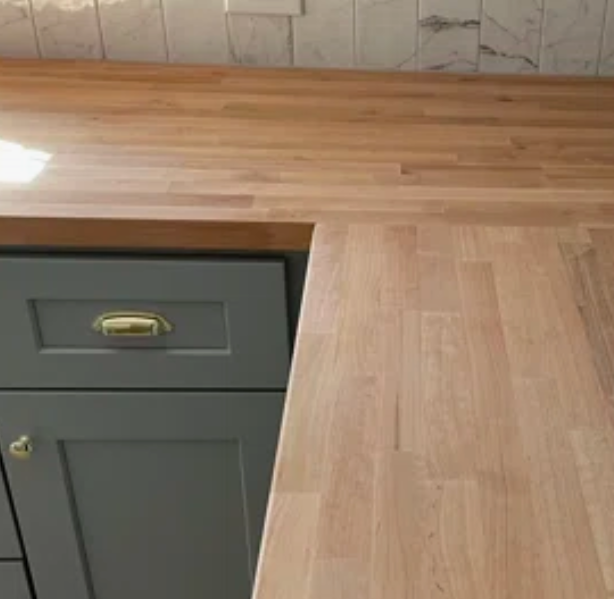
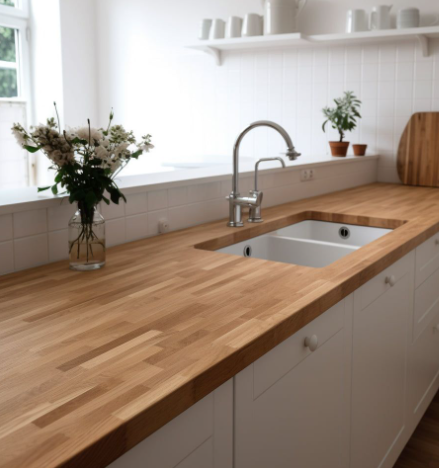
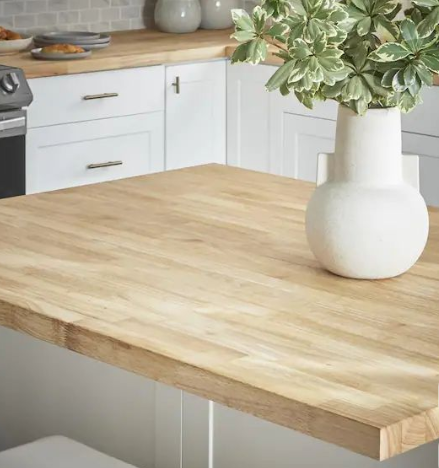
How it’s made: Butcher block is made by gluing strips or pieces of wood together tightly under pressure to form a thick, solid slab, which is then planed and sanded to a smooth, even finish. It is typically crafted from domestic hardwoods like maple or fruitwoods like cherry. Though there are several options, we recommend staying clear of dark exotic woods such as wenge, rosewood, and purpleheart. These species often contain high levels of extractives, which are naturally occurring compounds that plants produce as a defense against insects, fungi, and bacteria. These extractives can leach into food during food prep.
Durability: Butcher block is prone to scratching and knife marks over time, though light surface scratches can be sanded out, restoring it close to its original appearance. Keep in mind that wood is not heatproof, so avoid placing hot pots and pans directly on the surface.
Cleaning: For everyday cleaning, warm water and a dishcloth are all you need. Skip the harsh cleaners and dish soap; none of them are necessary. There is a long-standing debate around using wood as a cutting surface due to its porous nature, but research says this trait is what makes it sanitary. Wood is naturally hygroscopic, meaning it absorbs moisture along with any bacteria on the surface. Once drawn into the wood grain, bacteria are unable to reproduce and die off as the wood dries. The key to activating this process is moisture; getting the wood surface wet is what allows it to absorb and trap bacteria, and once trapped, they don't last long. Research has confirmed that 99% of bacteria were dead within 3 minutes of contact with the wood surface, and all of it within 15 minutes (Ak et al., 1992). This means that cleaning a butcher block surface does not require harsh chemicals or special products—a simple wipe-down with a damp cloth is all it takes to keep it sanitary.
Maintenance: When it comes to finishing your butcher block, less is more. Untreated wood is your best option. Research has found that the application of an oil coating, whether linseed or mineral oil, resulted in significantly higher levels of bacterial recovery from the wood surface compared to untreated wood (Vega Gutierrez et al., 2023). The same natural capillary action that makes bare wood so effective at pulling in and killing bacteria is compromised when a finish is applied. Leaving your butcher block unfinished allows the wood to perform exactly as nature intended.
With a simple care routine, butcher block can remain a beautiful and functional surface in your kitchen for many years to come.
The Best Time of Year for an Exterior Renovation in Oklahoma?
Apr 16 2026
Knowing when to start an exterior renovation can make all the difference in how smoothly your project runs. The season you choose doesn't just impact the timeline; it affects how efficiently the work gets completed.
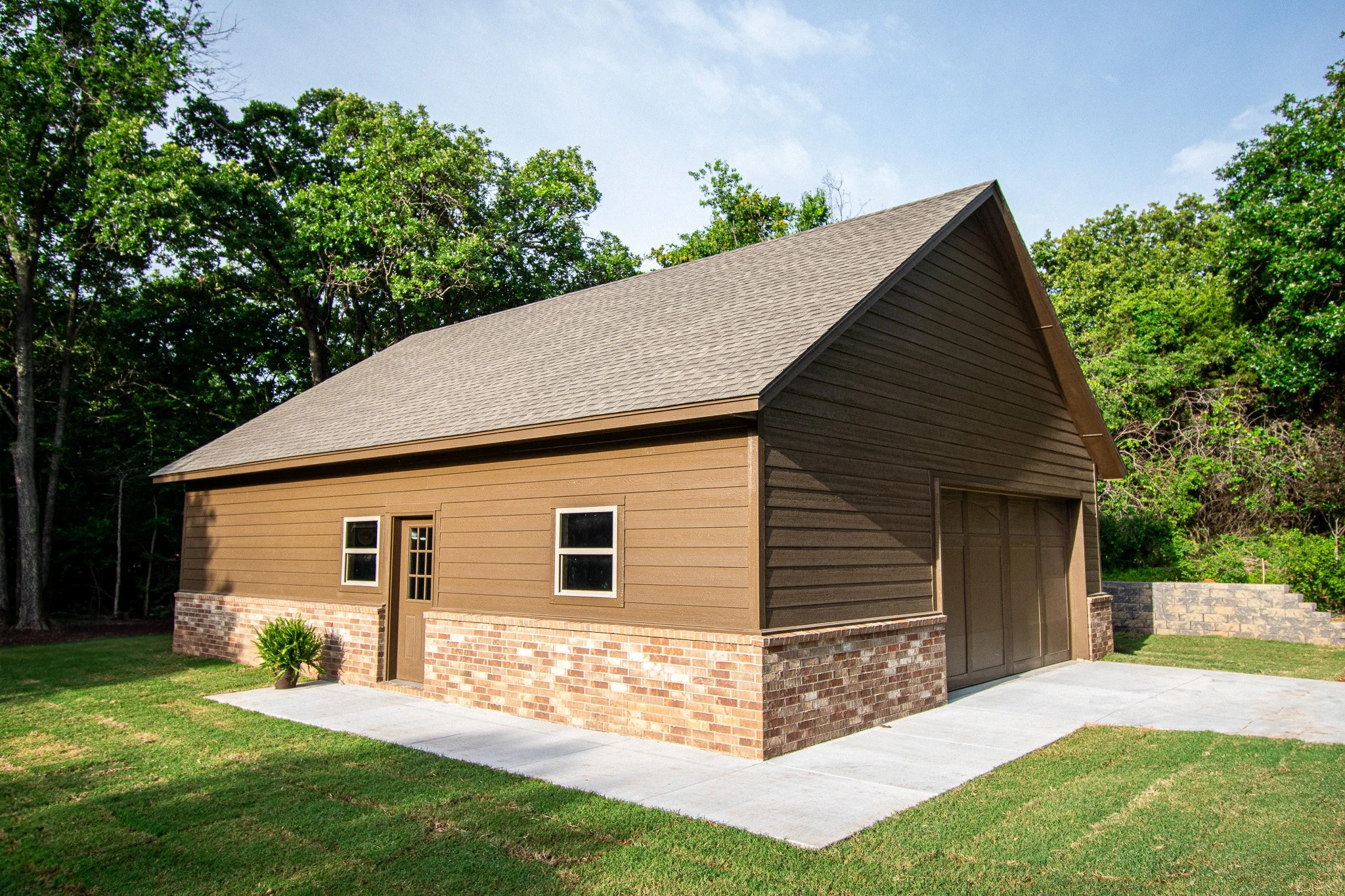
As the weather starts to warm up, it's natural for your attention to shift outside. You begin to notice your home a little more, and ideas start to form about what you'd like to update or improve. While spring feels like the perfect time to get started, in Oklahoma, it's often one of the most unpredictable seasons. Frequent storms, steady rain, and sudden temperature swings can make scheduling difficult and delay progress. With all that being said, spring is the ideal season to plan, schedule inspections, finalize designs, and secure your place on the calendar before the busiest and most consistent building months arrive.
In Oklahoma, late summer and early fall are typically the best times to start an exterior project. Exterior painting, siding, concrete, and full remodels all benefit from the more stable conditions this season provides. Temperatures are more consistent, humidity drops, and severe storms are generally less frequent. These conditions allow materials like paint, sealants, and concrete to perform as intended, while crews can work more efficiently with fewer weather-related interruptions.
Because fall is such a popular time for exterior renovations, demand is often higher, and schedules can fill up quickly. Planning is the best way to secure your place on the calendar.
Summer is another strong season for outdoor projects. With longer days and generally drier weather, exterior work can move forward quickly and efficiently. Roofing, framing, and other large-scale exterior projects are often well-suited for the summer months.
However, Oklahoma heat can be intense. Extremely high temperatures can impact crews, which is why many contractors shift their schedules earlier in the day. Even with the heat, summer can still be a productive time for exterior renovations.
Early winter can also be a good time to begin projects like siding or windows, especially when temperatures remain mild, and contractor schedules are more open. Late winter, particularly February, is usually more difficult because it often brings the coldest temperatures, ice, and more unpredictable conditions.
Paint, adhesives, and concrete all require minimum temperature thresholds to cure properly, which can limit the types of work that can be completed during colder months. Shorter days and increased chances of weather delays can also slow progress.
That said, late winter is not a complete shutdown. It can still be a good time for inspections, planning, and certain exterior repairs, such as roofing, during mild stretches. Contractors may also have greater availability during this season.
Spring, while not always ideal for construction itself, is one of the best times to start planning your project. Beginning the process now gives you time to schedule inspections, finalize designs, and secure your place on the calendar before the most consistent building months arrive.
It is spring, which makes now the perfect time to start thinking about your exterior project. Winter is behind us, temperatures are warming up, and getting on the schedule early can put you in a strong position for summer or fall construction.
Let’s start planning your project today.
Top 5 Remodel Projects That Add the Most Value in Stillwater Homes
Dec 10 2025
Remodeling is one of the most effective ways to increase both the comfort and the market value of a home, especially in a growing community like Stillwater. Whether homeowners are preparing to sell or simply want to invest in long-term quality, choosing the right upgrades can make a significant difference. After more than two decades serving Stillwater and the surrounding Oklahoma areas, McKee has seen which remodel projects consistently deliver the strongest return on investment. Below are the top five improvements that add measurable value to Stillwater homes while enhancing everyday living.
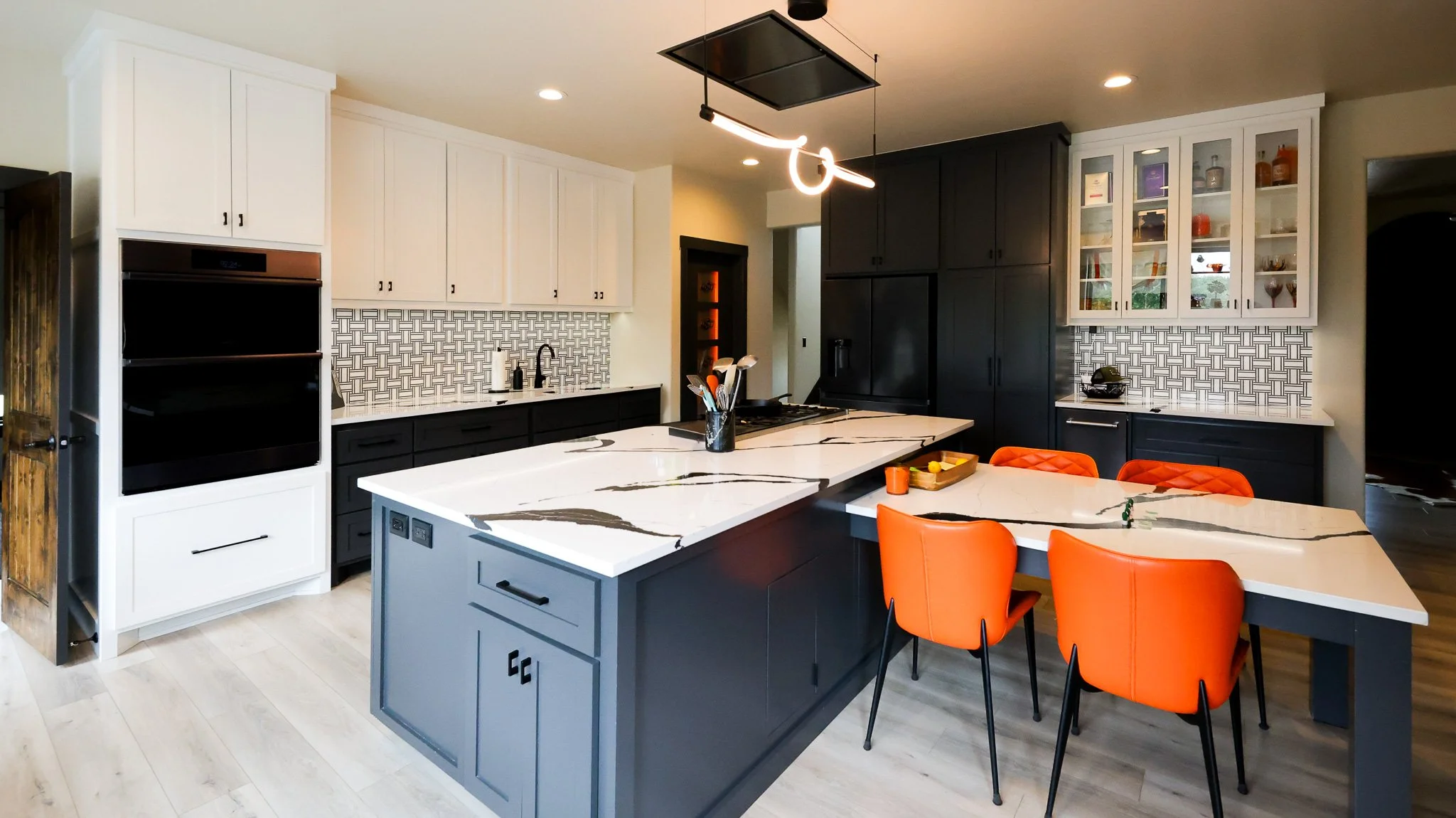
Kitchen remodels remain one of the most impactful upgrades for homeowners across the state. Because the kitchen is a central gathering space, buyers place a high priority on modern, functional, and aesthetically pleasing layouts. Updating cabinetry, improving storage solutions, adding high-quality countertops, refreshing lighting, and incorporating modern appliances not only improve usability but also greatly increase a home’s appeal. Even mid-range kitchen remodels typically generate substantial value when compared to other home projects.
Bathroom renovations also rank among the top home improvements for Stillwater homeowners. Clean, updated bathrooms play a significant role in buyer decision-making. Upgrades such as custom vanities, walk-in tile showers, updated flooring, and improved lighting can transform outdated bathrooms into bright, modern spaces. These upgrades add a sense of luxury and functionality that buyers immediately recognize.
Custom built-ins have become increasingly popular in Stillwater homes due to their ability to combine craftsmanship with practicality. Built-ins create organized, efficient spaces while adding a custom, high-end feel. Popular applications include mudrooms, entertainment centers, home office cabinetry, laundry room storage, and pantry shelving. Because McKee handles design, fabrication, and installation in-house, these projects elevate both the beauty and functionality of a home, delivering long-term utility and value.

Exterior improvements are another high-return-on-investment category. Where weather conditions place unique demands on home exteriors. Enhancing curb appeal through new siding, fresh paint, upgraded windows, porch renovations, or improved exterior lighting can significantly influence a home’s value. These updates not only improve aesthetics but also enhance durability, energy efficiency, and long-term protection.
Finally, whole-home flooring updates offer one of the most immediate visual transformations. Replacing worn carpet and outdated tile with modern, durable options such as luxury vinyl plank, engineered hardwood, large-format tile, or upgraded carpet dramatically refreshes the look and feel of a home. Buyers consistently view updated flooring as a major benefit, making it a strong investment for homeowners looking to increase value quickly.
Choosing the right remodeling project is ultimately about balancing financial return with everyday livability. At McKee Construction, we specialize in delivering long lasting value through high-quality craftsmanship, thoughtful design, and a full-service approach that includes custom millwork, remodeling, and installation. Whether you’re seeking to refresh a single room or transform your entire home, our team is committed to helping Stillwater homeowners make upgrades that are both beautiful and worthwhile.
Which Stone Countertop Is Right For You?
Whether you're building a new home or remodeling your current kitchen, choosing the right countertop is one of the biggest decisions you'll make. Granite, marble, and quartz each have their own unique combination of beauty, durability, maintenance requirements, and cost. While marketing often highlights the strengths of each material, understanding how they perform in everyday use is what truly matters.
In this guide, we'll compare granite, marble, and quartz to help you make an informed decision based on real-world performance and research. If you're considering a wood countertop instead, be sure to check out our butcher block blog.
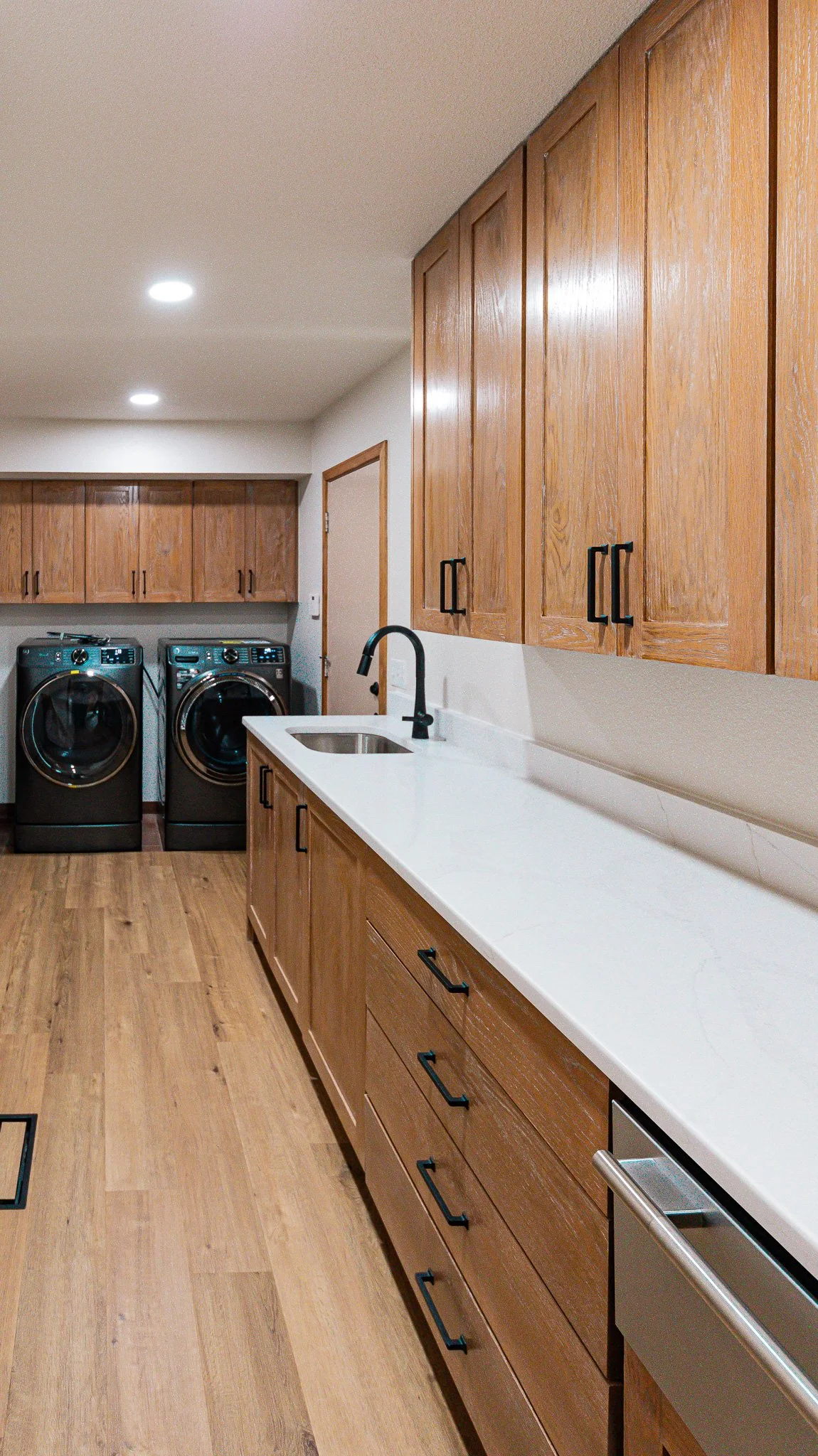
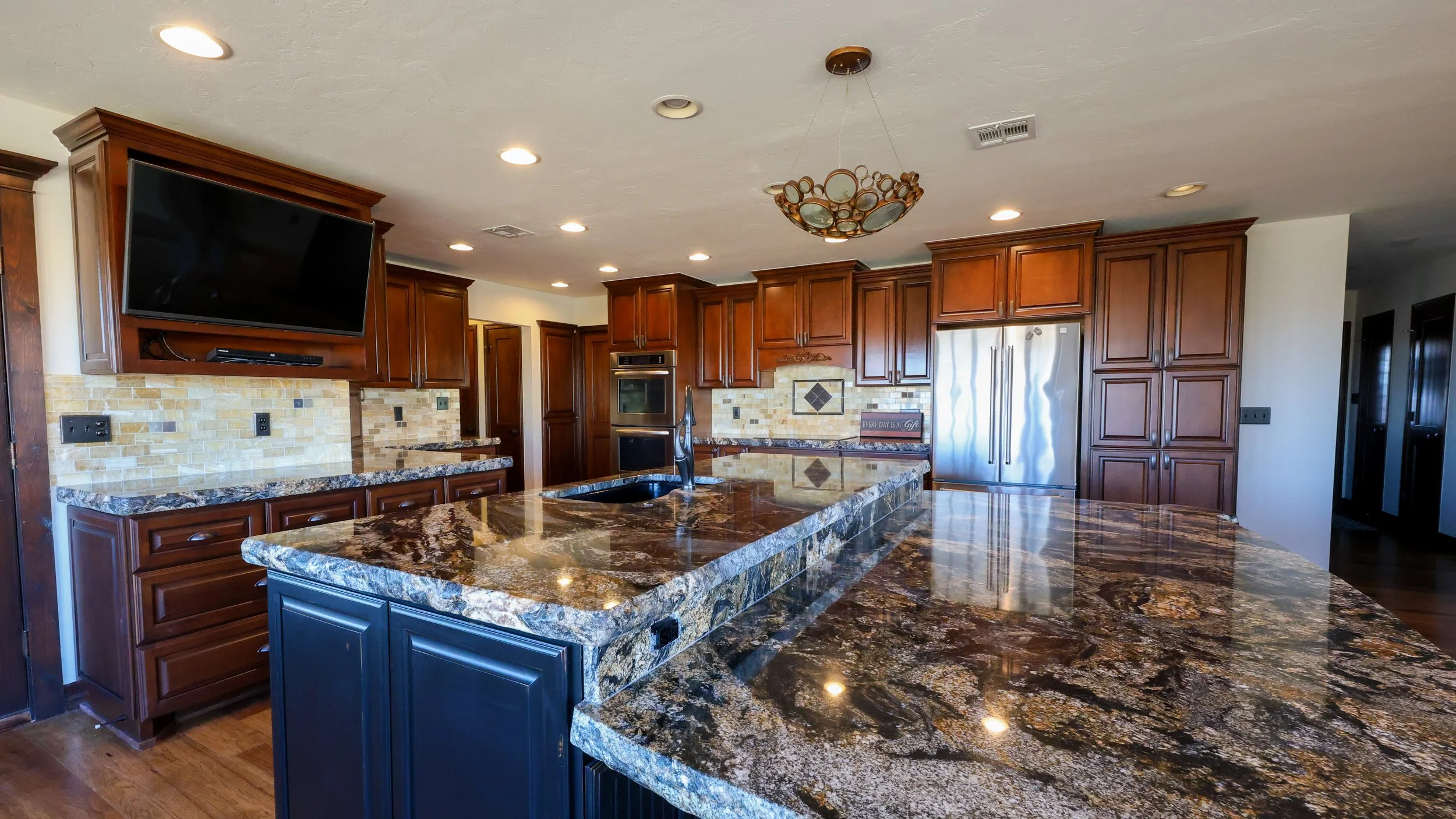
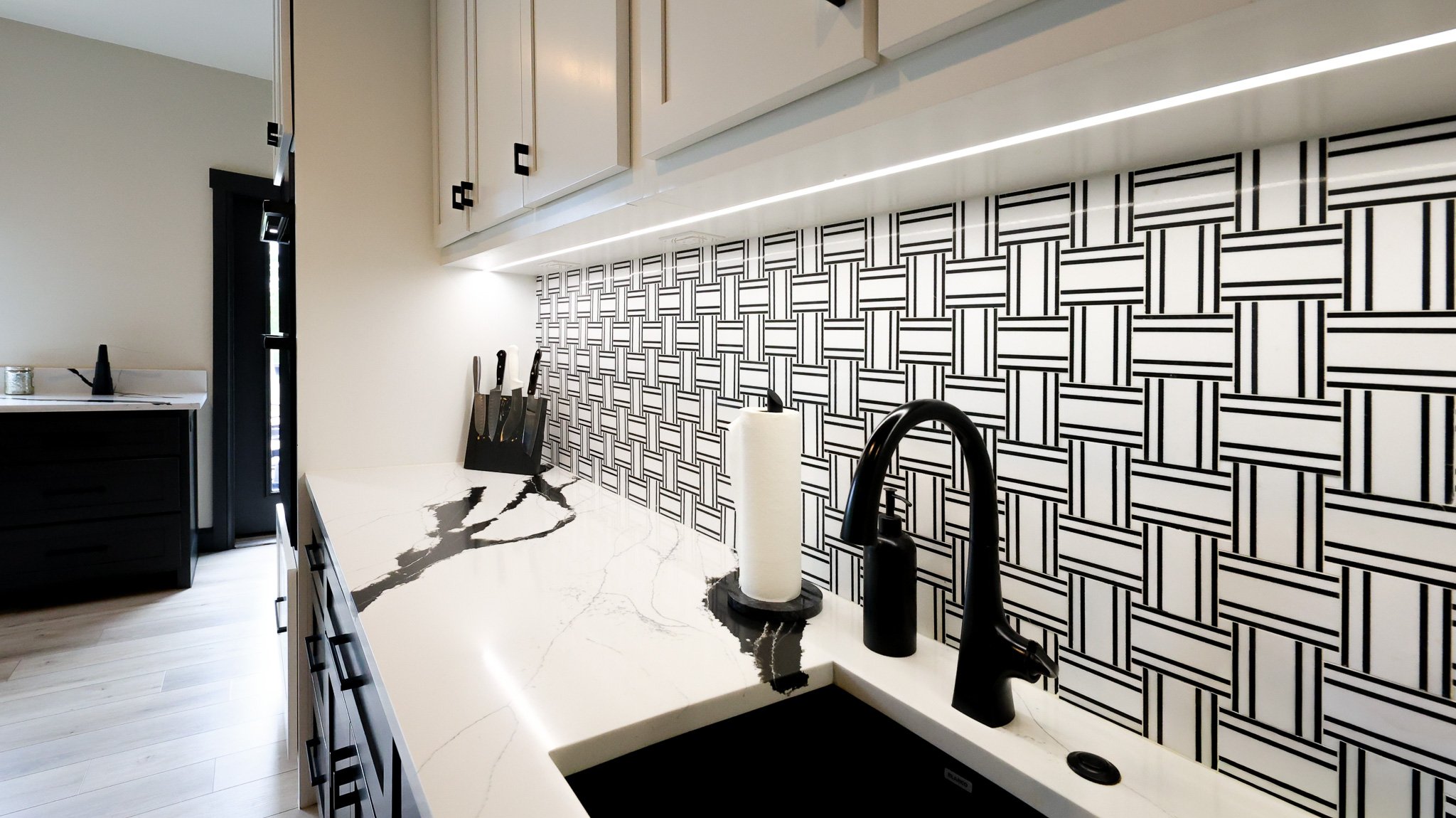
Granite
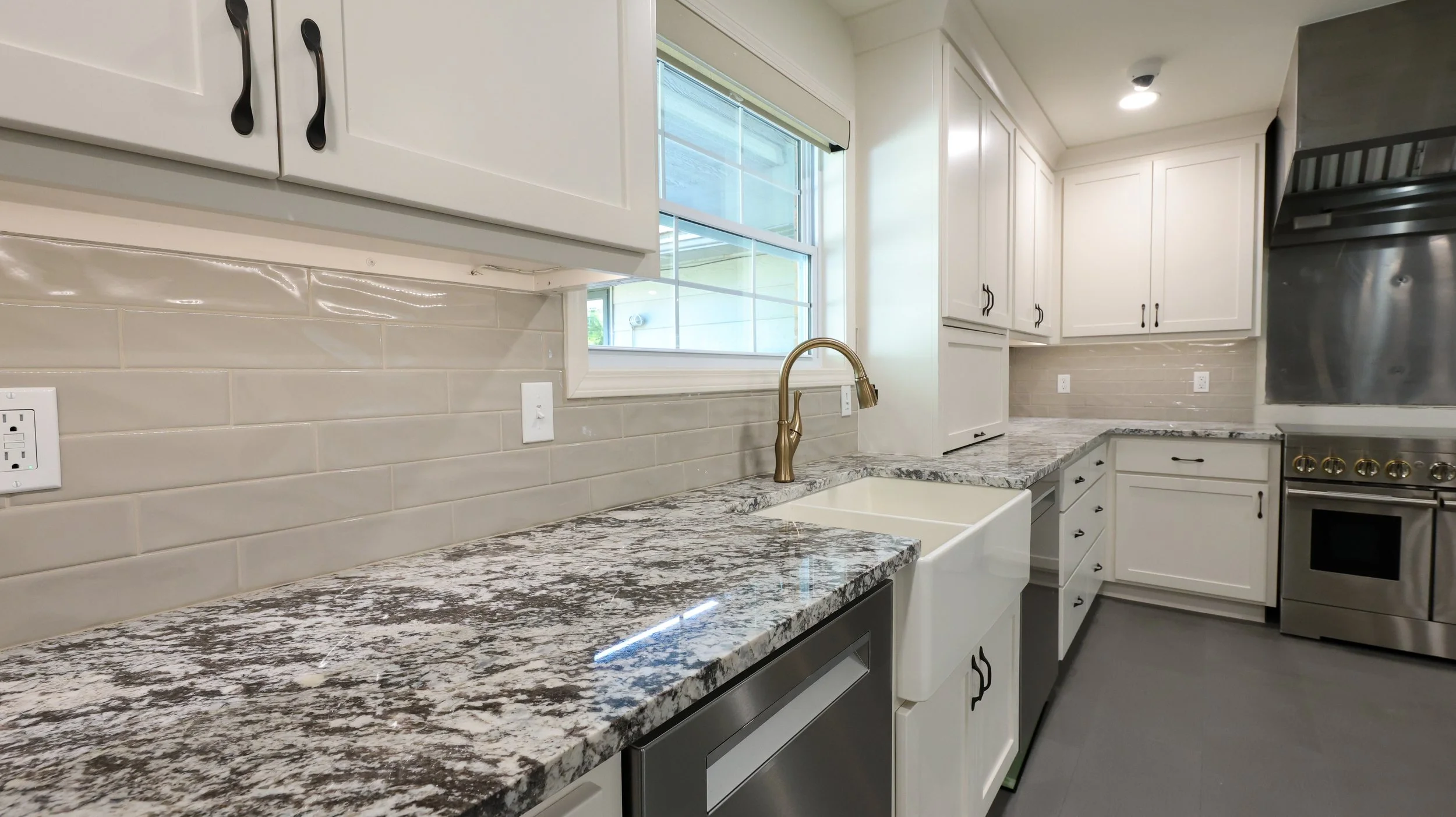
How it’s made: Granite is a naturally durable option that brings a truly one-of-a-kind look to any kitchen, since no two slabs are ever the same. This stone forms deep within the Earth, where magma slowly cools and crystallizes under extreme heat and pressure. This process produces an exceptionally dense stone.
Durability: Granite is one of the hardest natural stones available, making it highly resistant to scratching from knives and cookware. Most people know that granite is naturally heat-resistant and assume that placing hot pots and pans directly on the surface is completely safe — and they are not wrong about the stone itself. What most people do not think about, however, is the sealant. While the granite beneath may remain entirely unaffected by heat, repeated exposure can break down the polymer-based sealant over time, leaving the surface vulnerable to staining and moisture penetration. Using a trivet or hot pad is a simple habit that protects not the granite itself, but the sealant that keeps it looking its best.
Cleaning: For cleaning, a pH-neutral stone cleaner is recommended. However, warm water and a soft cloth will do the trick for most messes. Harsh or acidic cleaners such as vinegar, lemon juice, and descalers should be avoided, as they can break down the sealant over time. However, acidic cleaners are not the only concern — alkaline cleaners such as bleach and ammonia-based products can also degrade sealants, though the damage tends to be more gradual. Alkaline cleaners have oxidizing agents, meaning they slowly break down the polymer bonds that make up most stone sealants. While this may not cause immediate visible damage, repeated use over time will strip the sealant, leaving the granite exposed and vulnerable to staining and surface deterioration (Ceylan et al., 2020)
Maintenance: Because granite is a porous natural stone, sealing it every six to twelve months, depending on use, is recommended to protect against staining and moisture absorption. When it comes to sealants, there are two main types: penetrating and topical. Penetrating sealants soak below the surface of the stone and bond within the pores, protecting from the inside out without altering the granite’s natural look or feel. Topical sealants sit on top of the surface and form a protective coating layer that, while capable of adding a shine or gloss, is prone to peeling, scratching, and yellowing over time. For long-term protection that preserves the natural beauty of the stone, a penetrating sealants is the right choice.
Cost: Granite typically falls in the middle of the price range. It offers the appearance and durability of a natural stone at a lower cost than marble, making it a popular choice for homeowners seeking a balance between luxury and value. Pricing depends on factors such as the rarity of the stone and slab thickness. Although granite requires periodic sealing, its long lifespan often makes it a worthwhile investment.
For homeowners who want a kitchen that feels both elevated and built to handle real everyday cooking, granite is a hard option to beat.
Marble
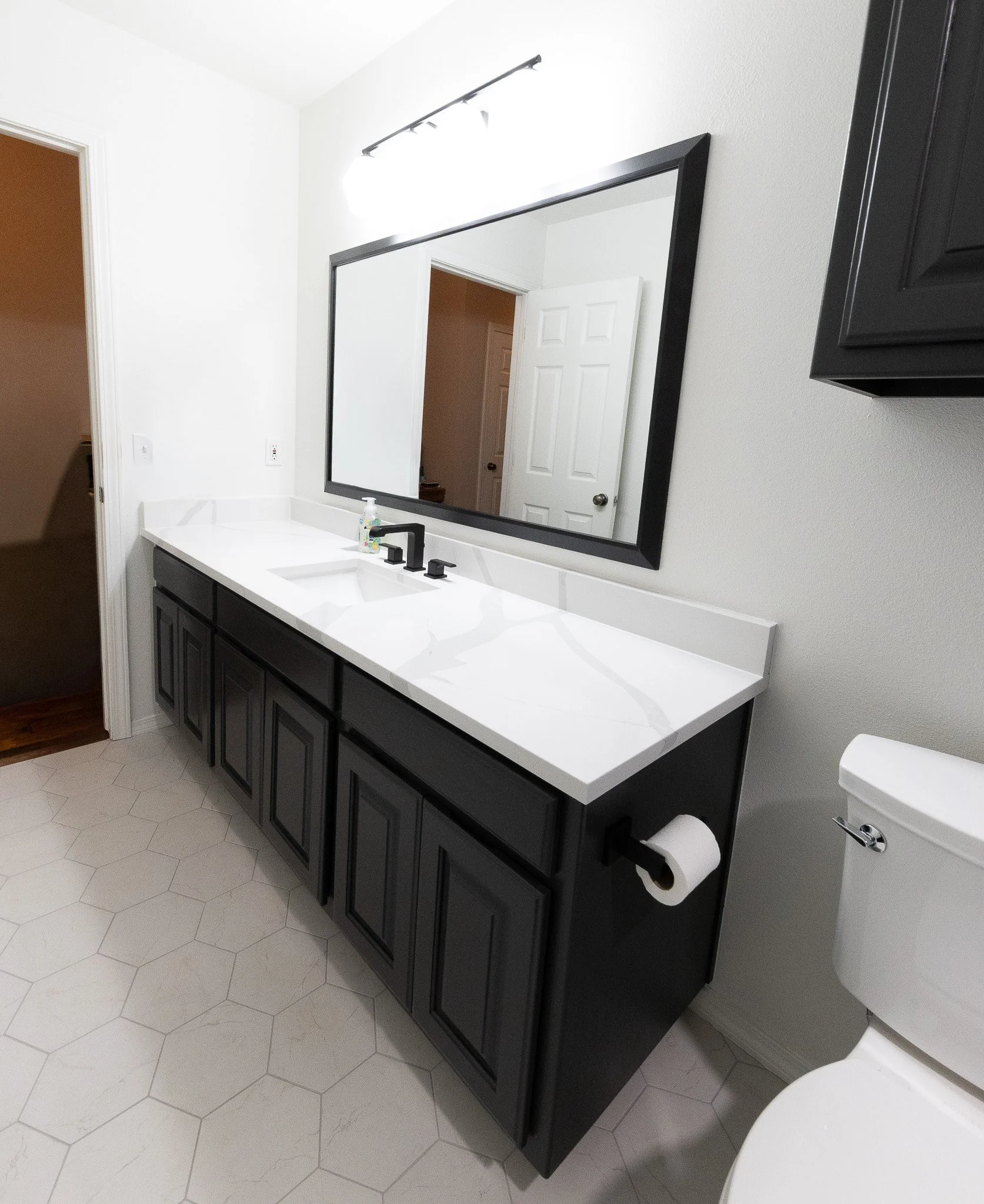
How it’s made: Marble is a luxurious natural stone. While also formed under heat and pressure like granite, it begins as limestone closer to the earth's surface and is transformed through metamorphism; it doesn't require the same depth to form as granite.
Durability: Marble is a softer natural stone compared to granite, making it more susceptible to scratching and surface etching from sharp objects or heavy daily use, which is something to keep in mind for high-traffic areas. Marble is highly porous and calcium-based, making it incredibly vulnerable to acidic substances. This stone is not naturally heat-resistant, meaning hot pots and pans should always be placed on a trivet or hot pad rather than directly on the surface.
Cleaning: For cleaning marble, a pH-neutral stone cleaner isn't just recommended—it's essential. When a deeper clean is necessary, reach for a pH-neutral stone cleaner. For routine messes, warm water and a soft cloth are all you need. With granite, acidic cleaners such as vinegar, lemon juice, and descalers are a problem because they break down the sealant over time, but with marble, the damage goes further. Because marble is composed primarily of calcium carbonate, acidic cleaners react directly with the stone itself, causing etching, pitting, and permanent surface degradation even at low concentrations (Ceylan et al., 2020). As with granite, alkaline cleaners such as bleach and ammonia-based products are also not recommended for marble, as they gradually break down the sealant through oxidation, leaving the surface exposed and vulnerable to staining and damage.
Maintenance: Marble requires the same penetrating sealant approach as granite but needs to be reapplied more frequently, every three to six months, depending on use, due to its higher porosity. While most penetrating sealants work on both stones, marble-specific sealants do exist and offer a bit more protection for softer, more porous surfaces. Whatever sealant you choose, make sure it's safe for calcite-based stones, as some formulas designed primarily for granite can be too harsh for marble.
Cost: Marble is generally the most expensive of the three countertop materials. Pricing varies depending on the type of marble, slab availability, thickness, edge profile, and installation complexity, but homeowners should expect to pay a premium for both the material and the craftsmanship required to install it. While its timeless beauty and unique veining make it a highly sought-after option, the higher upfront investment and ongoing sealing maintenance costs should be considered when budgeting for a project.
For homeowners who appreciate the refined, luxurious look of marble and are willing to put in the extra care to maintain it, the result is a countertop that is truly unmatched in elegance. It just requires a more attentive hand than most natural stones.
Quartz
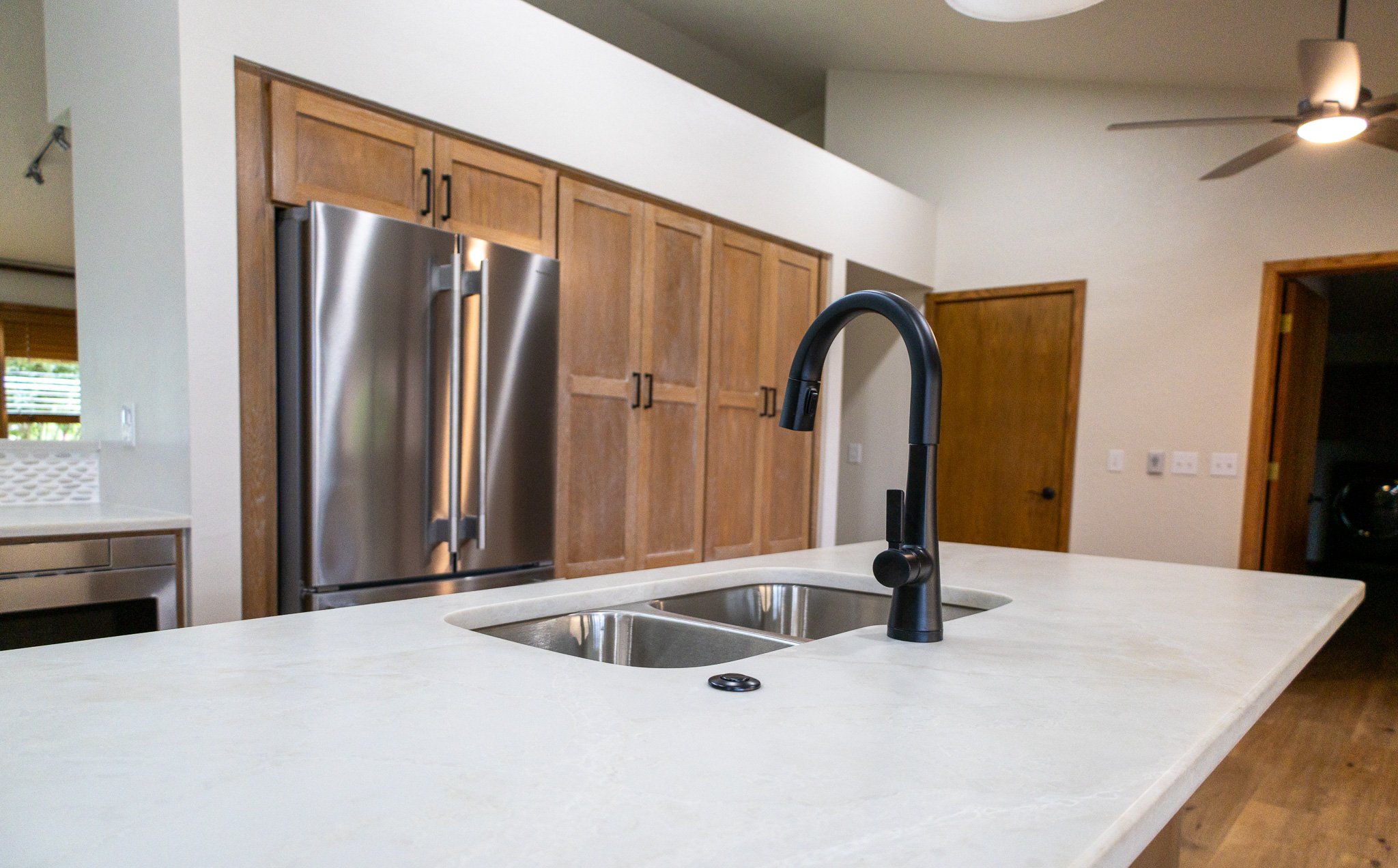
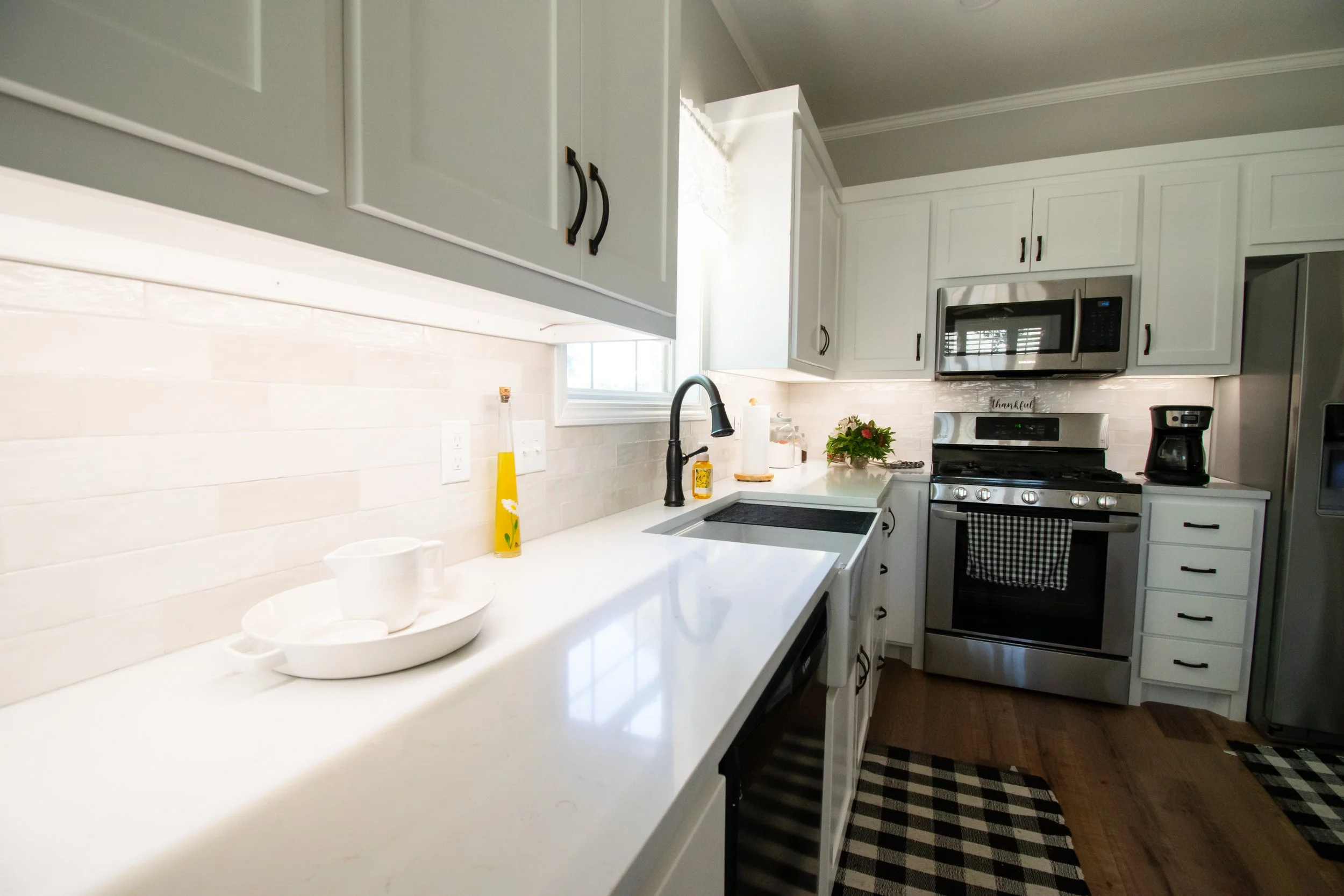
How it’s made: Quartz delivers a clean look that’s available in a wide range of colors and styles. This stone is an engineered surface made from crushed quartz crystals bound together with resin and pigments, giving it a consistent look and a non-porous surface that makes it a practical choice for busy households.
Durability: Due to its engineered composition, quartz is highly scratch-resistant and holds up well against the daily demands of a busy kitchen. One thing to keep in mind is that quartz is not heatproof, so using a hot pad when placing pots and pans directly from the stove is needed.
Cleaning: For everyday cleaning, a simple wipe down with warm water and a mild dish soap is all it takes to keep the surface looking its best. Bleach, high-pH cleaners, or acidic liquids (vinegar, lemon juice) can corrode and discolor the resin.
Maintenance: One of the biggest advantages of quartz is that, because it is non-porous, it does not require any sealant, making it a low-maintenance option compared to natural stone surfaces.
Cost: Quartz is generally the most budget-friendly option of the three. Because it is an engineered material, pricing tends to be more consistent than natural stone, although premium colors and designs can increase the overall cost. Quartz offers excellent durability with minimal maintenance, making it an attractive option for homeowners looking to maximize value without sacrificing appearance. Its lower maintenance requirements can also reduce long-term ownership costs.
With a little mindfulness around heat, quartz can be a stunning and long-lasting surface in your kitchen for years to come.
Citations
Ceylan, H. R., Çiftçi, H., Gürsoy, M., Arsoy, Z., Evcin, A., & Ersoy, B. (2020). Effects of various cleaning chemicals on the surface properties of marbles. Afyon Kocatepe University Journal of Sciences and Engineering, 20(2), 331–339. https://doi.org/10.35414/akufemubid.643334