

How to Navigate the Insurance Restoration Process: A Step-by-Step Guide
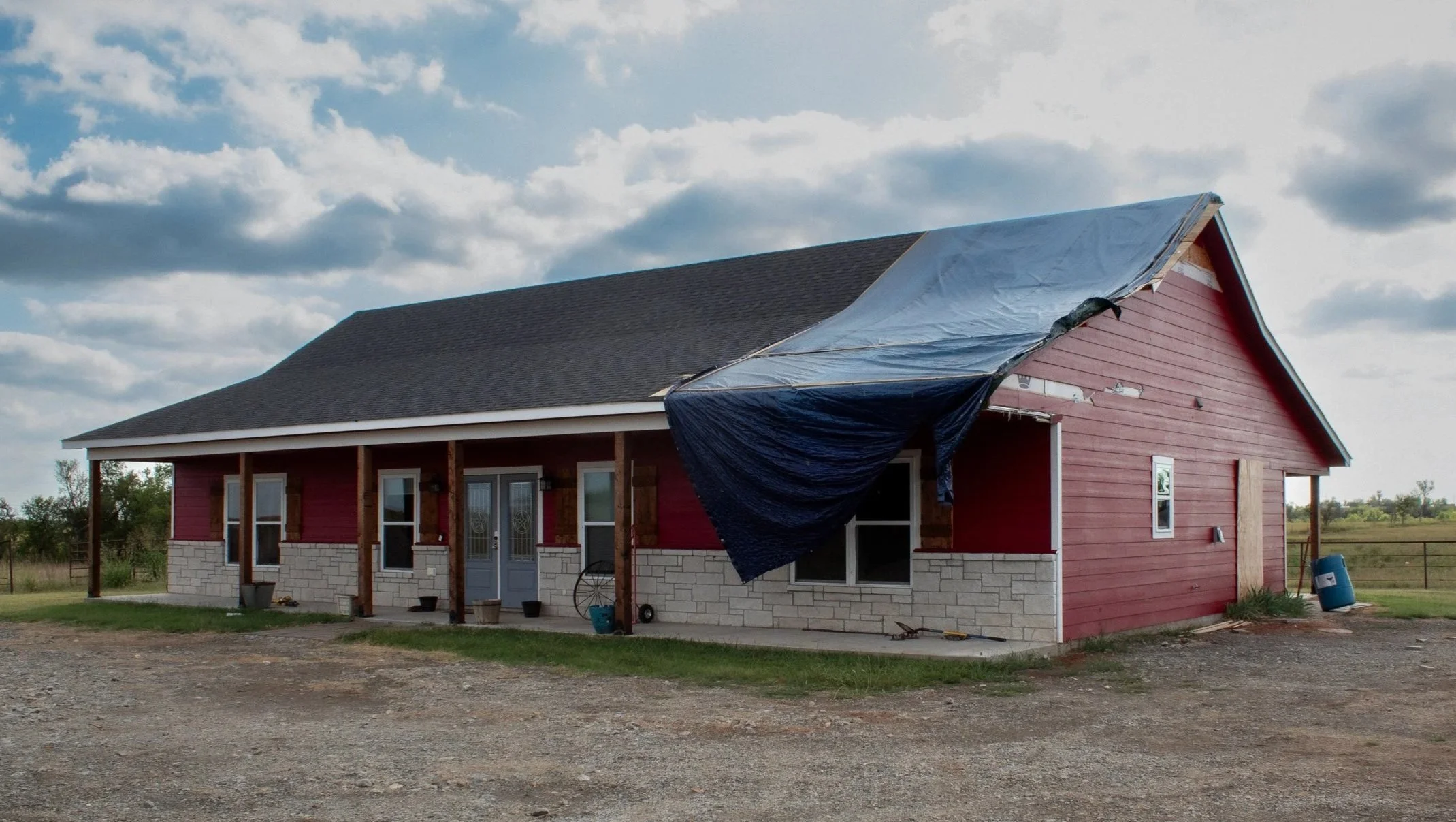
Living in Oklahoma means that within minutes, severe weather can undo what took years to build, leaving homes and businesses shattered by wind, hail, or fire. At McKee, we've seen firsthand how overwhelming the aftermath can be. Having a trusted, experienced general contractor on your side can make all the difference in not only the quality of your restoration but also your experience. At McKee, we help your recovery move faster, smoother, and with far less stress.
To help you feel prepared, here's a step-by-step guide to navigating the restoration process after storm damage:
1. Ensure Safety and Address Immediate Threats
If you find yourself in the middle of an emergency, your safety and the safety of your family are paramount. Contact emergency services (911) immediately if there is any risk to life or safety. Once your family is safe, walk through your home and record a video of the damage and personal belongings before anything is moved, cleaned up, or repaired - but only if it is safe to do so.
Pipe Burst / Water Damage: Immediately turn off your main water supply to prevent further damage. Clean up any water you can and circulate air if possible.
Fire Damage: Do not re-enter until the fire department has declared it safe, even if the fire appears to be out. Once safe, open windows to circulate air.
Storm / Wind Damage: Stay away from downed power lines and avoid entering any structurally compromised areas. If safe to do so, clean up broken glass and clear a path.
2. Call Us
Before you call your insurance company, call us. Our team will conduct a thorough damage assessment and document all damage with photos, videos, and detailed notes before anything is touched. This professional documentation strengthens your claim significantly. If needed, we can handle emergency mitigation work (tarping, boarding, securing the structure) right away and document it properly, so your insurer reimburses those costs under your policy.
3. Call Your Insurance Company
Call the claim number on your policy (or their website) or your insurance agent as soon as possible. Most insurers have 24/7 claim hotlines. Be ready to provide your policy number, the date, the cause of the damage, and a general description of the loss.
4. Sign an Authorization To Repair (ATR)
Before we move forward with estimates and negotiations, we'll have you sign an Authorization to Repair. This is a standard document that formally authorizes us to communicate and negotiate with your insurance company directly on your behalf. It protects you, keeps things moving efficiently, to get you the best possible outcome - without the stress of constant follow-ups. From initial estimate to final resolution, we keep you informed every step of the way. We believe in relentless communication, and we commit to never leaving you wondering about the status of your claim. Every update, decision, and development will be communicated to you.
5. We Will Negotiate For You
Once you've filed your claim, we're here for you every step of the way. We'll meet the adjuster with you on-site, communicate directly with your insurance company, keep detailed records of every conversation, document, and estimate, and make sure nothing falls through the cracks. In many cases, rather than preparing their own estimate, the adjuster will ask us to prepare one on your behalf, ensuring every bit of damage is properly documented and accounted for.
Insurance companies often make low initial offers — we'll review any settlement against our estimate and negotiate on your behalf to ensure you're fairly compensated. You'll always have full visibility into the process and the final say on any decisions. Our goal is simple: handle the heavy lifting, cut through the insurance jargon, and make the entire experience as smooth and stress-free as possible so you can focus on getting back to normal.
6. Begin Repairs
Restoring your home or business starts with ordering materials and completing work such as roofing, structural repairs, and interior restoration. We will manage crews, coordinate timelines, and keep you informed every step of the way.
As work progresses, it's not uncommon to discover additional damage that wasn't visible during the initial inspection. For example, if the original scope of work included removing flooring and drywall, but we uncover damaged framing underneath, we don't just stop there. We document the additional damage and submit what's called a supplement to your insurance company. A supplement is simply a request to update your claim to include newly discovered damage, ensuring that everything affected gets properly covered and replaced. We handle this process on your behalf so that nothing gets overlooked and you aren't left covering costs that should rightfully be part of your claim.
7. Final Walk-Through and Completion
Once all repairs are complete, we conduct a thorough final walk-through with both our internal team and the customer. Together, we verify that every aspect of the work meets our quality standards and that your home/business has been fully restored.
Once you're satisfied and give your approval, we'll help you finalize any remaining insurance paperwork, so you can move forward with peace of mind.
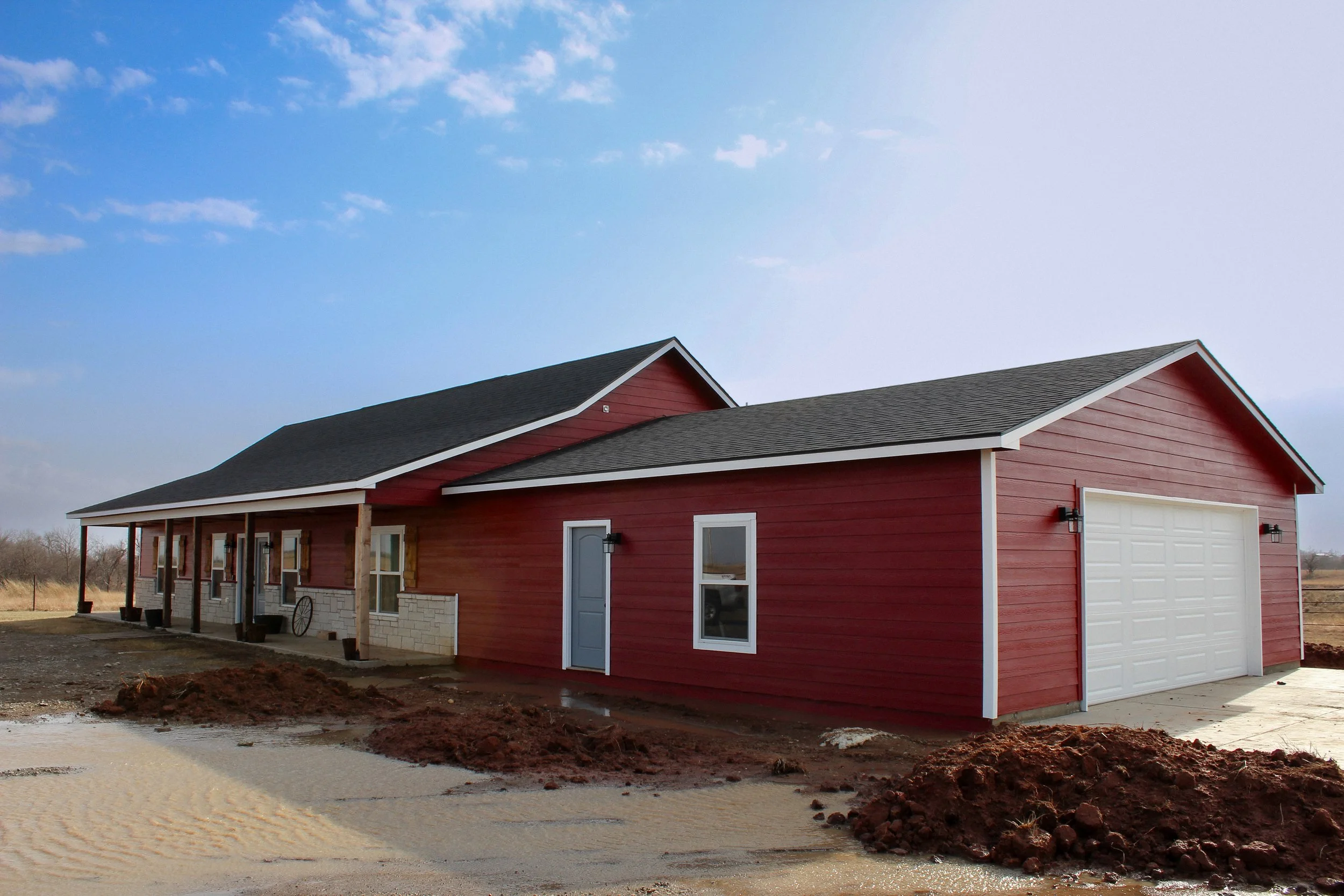
While storms are unpredictable, having a clear plan can make all the difference in how quickly and confidently you recover. Working with an experienced contractor can help simplify the insurance process, ensure repairs are completed properly, and reduce stress during an already difficult time. If your home or business experiences storm damage, McKee is here to guide you through every step of the restoration process.
Why Work With McKee?
✅ We know insurance claims inside and out
✅ We protect you from lowball settlements
✅ One point of contact from disaster to done