

How To Clean Your Butcher Block
Whether you're designing or renovating your kitchen, the right countertop can make or break the space. Beyond aesthetics, countertop materials differ significantly in their physical and chemical properties. Popular opinion and marketing often paint certain materials as indestructible or effortless to maintain, but peer-reviewed research tells a bigger story. Our goal is simple: to help you make an informed decision based on evidence. When it comes to a surface you will use every single day, you deserve to know what the research says.
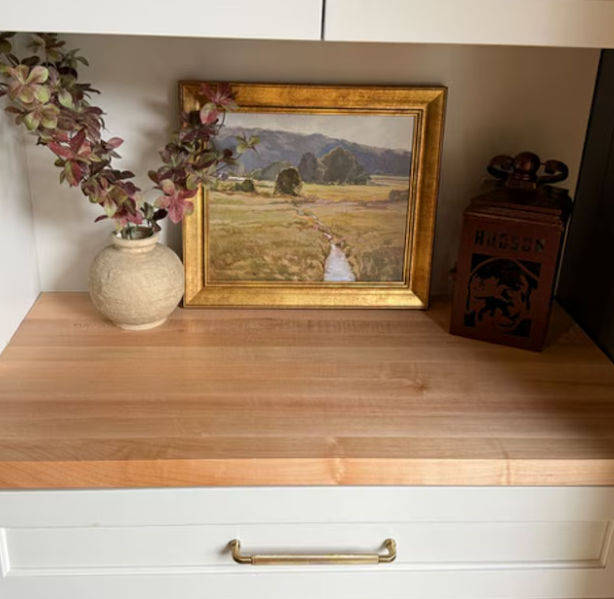
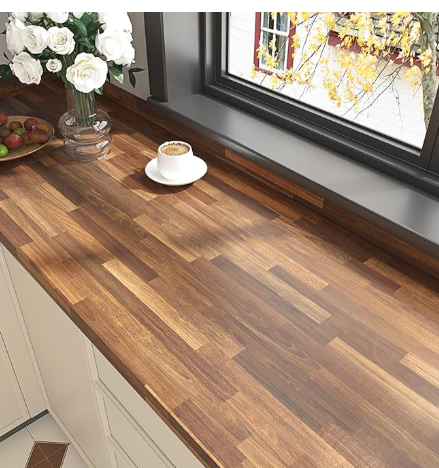
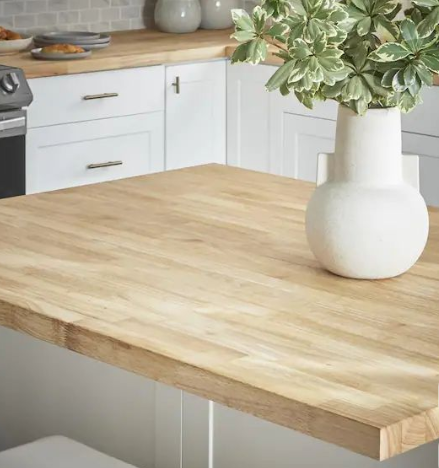
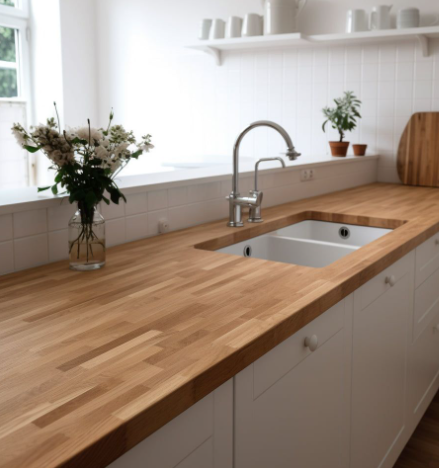
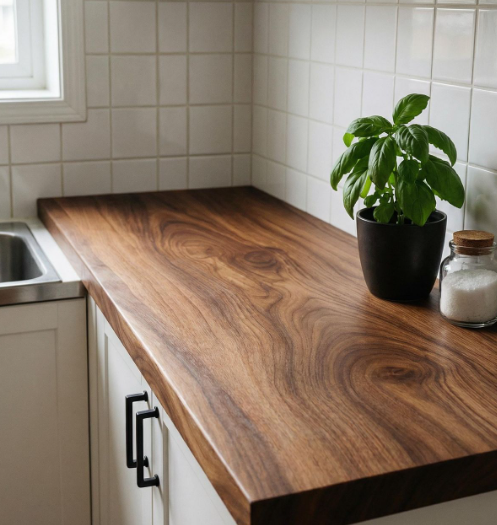
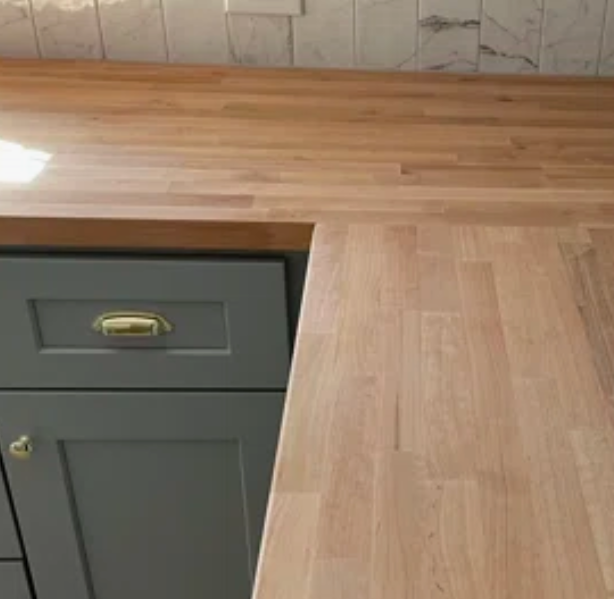
How it’s made: Butcher block is made by gluing strips or pieces of wood together tightly under pressure to form a thick, solid slab, which is then planed and sanded to a smooth, even finish. It is typically crafted from domestic hardwoods like maple or fruitwoods like cherry. Though there are several options, we recommend staying clear of dark exotic woods such as wenge, rosewood, and purpleheart. These species often contain high levels of extractives, which are naturally occurring compounds that plants produce as a defense against insects, fungi, and bacteria. These extractives can leach into food during food prep.
Durability: Butcher block is prone to scratching and knife marks over time, though light surface scratches can be sanded out, restoring it close to its original appearance. Keep in mind that wood is not heatproof, so avoid placing hot pots and pans directly on the surface.
Cleaning: For everyday cleaning, warm water and a dishcloth are all you need. Skip the harsh cleaners and dish soap; none of them are necessary. There is a long-standing debate around using wood as a cutting surface due to its porous nature, but research says this trait is what makes it sanitary. Wood is naturally hygroscopic, meaning it absorbs moisture along with any bacteria on the surface. Once drawn into the wood grain, bacteria are unable to reproduce and die off as the wood dries. The key to activating this process is moisture; getting the wood surface wet is what allows it to absorb and trap bacteria, and once trapped, they don't last long. Research has confirmed that 99% of bacteria were dead within 3 minutes of contact with the wood surface, and all of it within 15 minutes (Ak et al., 1992). This means that cleaning a butcher block surface does not require harsh chemicals or special products—a simple wipe-down with a damp cloth is all it takes to keep it sanitary.
Maintenance: When it comes to finishing your butcher block, less is more. Untreated wood is your best option. Research has found that the application of an oil coating, whether linseed or mineral oil, resulted in significantly higher levels of bacterial recovery from the wood surface compared to untreated wood (Vega Gutierrez et al., 2023). The same natural capillary action that makes bare wood so effective at pulling in and killing bacteria is compromised when a finish is applied. Leaving your butcher block unfinished allows the wood to perform exactly as nature intended.
With a simple care routine, butcher block can remain a beautiful and functional surface in your kitchen for many years to come.
Citations
Ak, N. O., Cliver, D. O., & Kaspar, C. W. (1992). Survival of bacteria on wood and plastic cutting boards. Journal of Food Protection, 55(10). https://doi.org/10.1016/S0362-028X(22)02093-2
Vega Gutierrez, S. M., Vega Gutierrez, P. T., Waite-Cusic, J., & Robinson, S. C. (2023). Wood cutting board finishes and their effect on bacterial growth. Coatings, 13(4), 752. https://doi.org/10.3390/coatings13040752